Button Text
Back to overview

Retraining

Retraining means training people again on something they were already trained for, usually after a procedure, system or regulation changes. Learn what triggers it, how it differs from reskilling, and how to keep it manageable.

3 min read
30/9/2026

Table of Contents

What is retraining?

Retraining means training people again on something they were already trained for. The trigger is usually a change: a revised procedure, a new software version, an updated regulation, or a certificate about to expire. The role is the same and the skill carries the same name, but the correct way of doing it has moved.

What usually triggers retraining

  • Regulation: a standard changes, and everyone certified under the old one needs updating.
  • Recertification: safety or compliance qualifications that expire on a fixed cycle.
  • System change: a new release means the old steps no longer apply.
  • Incident: something went wrong and the procedure was rewritten.
  • Drift: people have gradually stopped doing it the way it was designed.

How it differs from reskilling

Reskilling prepares someone for a different job. Retraining keeps someone current in the job they already do. The two words get used interchangeably, but the effort involved is completely different: reskilling is a path of months, retraining is usually a focused update.

Making retraining sustainable

Two things decide whether retraining stays manageable. The first is how quickly you can update the content. If a regulation changes and updating the material means rebuilding and redistributing a course, the update lags behind the rule it is supposed to reflect.

The second is whether you know who needs it. Retraining depends on records: who was certified, when, and when it lapses. Without that, you find out someone's certification expired when an auditor tells you.

Automated recertification reminders and content that updates centrally, both of which FLOWSPARKS provides, turn retraining from a recurring scramble into something that runs quietly in the background.

Frequently asked questions

What is the difference between retraining and reskilling?

Retraining keeps someone current in the job they already do, usually after a procedure, system or regulation changes. Reskilling prepares them for a different job. Retraining is a focused update, reskilling is a path of months.

How often should retraining happen?

Regulation and certification cycles set part of the schedule. The rest is event driven: a system release, a rewritten procedure or an incident. The practical requirement is knowing who was certified and when it lapses.

Why does retraining consume so much L&D capacity?

Because it never ends. Products, systems and rules keep changing, and each change makes part of an existing library wrong. Whether that workload stays manageable depends largely on your platform: if every change means re-exporting, re-uploading, and fixing each language version separately, the effort grows with every cycle. With FLOWSPARKS, updates go live the moment you save them, across every LMS and every language, with no SCORM re-uploads.

FLOWSPARKS team member

Are you looking to step up your digital training efforts inside your organization?

Schedule a demo and discover how FLOWSPARKS helps create and deliver engaging e-Learning experiences backed by strong instructional design principles in multiple languages without a hassle.

Get a demo

More interesting reads

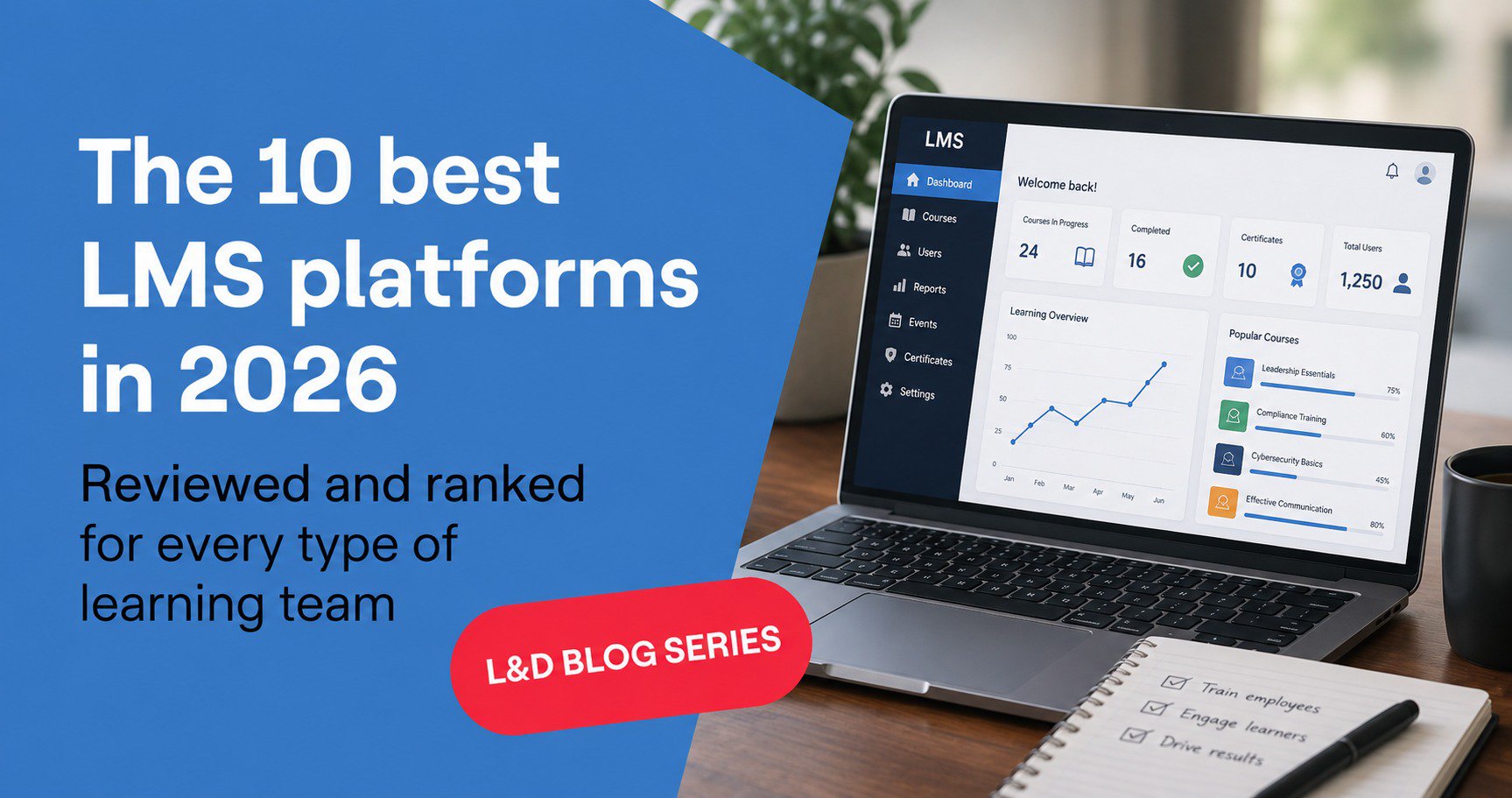
Best learning management systems in 2026: how to choose


Best learning management systems in 2026: how to choose

Every "best LMS" list ranks platforms on features. Almost none of them asks the question that actually decides whether your training works. We reviewed the 10 leading learning management systems of 2026, what each one is genuinely built for, and how to choose between them. Then there are the two jobs a regular LMS will not do for you.
Blog
Best learning management systems in 2026: how to choose
Top 10 e-Learning authoring tools in 2026

Top 10 e-Learning authoring tools in 2026

Most "best authoring tool" lists rank features and price. This one ranks on what makes training stick: can your experts build a sound course themselves? Compare the 10 best e-Learning authoring tools of 2026.
Blog
Top 10 e-Learning authoring tools in 2026
Stay ahead of the curve: 11 Game-changing L&D trends in 2026

Stay ahead of the curve: 11 Game-changing L&D trends in 2026

Discover the top 11 game-changing L&D and eLearning trends shaping the future of workplace learning. From AI-powered platforms to immersive VR experiences and mobile-first microlearning, this blog explores how to make training more engaging, effective, and future-proof in 2026 and beyond.

Blog
Stay ahead of the curve: 11 Game-changing L&D trends in 2026
Microlearning examples: Small modules, better knowledge retention


Microlearning examples: Small modules, better knowledge retention

Need inspiration? These 10 microlearning examples cover everything from branching scenarios to checklists, and show exactly when to use which type. Whether you're onboarding new hires, running compliance refreshers, or supporting frontline workers on the job, there's a format here that fits.
Blog
Microlearning examples: Small modules, better knowledge retention
Personalized learning plan: stop wasting time on irrelevant training


Personalized learning plan: stop wasting time on irrelevant training

Generic training treats everyone the same, and that’s exactly why it wastes time. A personalized learning plan flips the script by building relevant learning paths based on role requirements, current skill level, and learning needs. The result: learners stay engaged, skill gaps close faster, and organizations create a learning culture that supports retention and long-term growth.
Blog
Personalized learning plan: stop wasting time on irrelevant training
Adaptive learning in corporate training: boost efficiency

Adaptive learning in corporate training: boost efficiency

Not everyone in your team starts at the same level, so why force them down the same path? Discover how adaptive learning keeps experts engaged, supports beginners, and cuts wasted time without compromising quality.
Blog
Adaptive learning in corporate training: boost efficiency
Adaptive learning technology: benefits, examples and 15 platforms


Adaptive learning technology: benefits, examples and 15 platforms

Adaptive learning technology is transforming e-Learning by tailoring content, pace, and assessments to each learner’s needs. This in-depth guide explains how adaptive systems work, why they boost engagement and performance, and how organisations can apply them in practice. You’ll also explore real examples, best practices, and a curated list of the top 15 adaptive learning platforms shaping today’s L&D landscape.
Blog
Adaptive learning technology: benefits, examples and 15 platforms
How do I create interactive e-learning content? 2026 tips & examples

How do I create interactive e-learning content? 2026 tips & examples

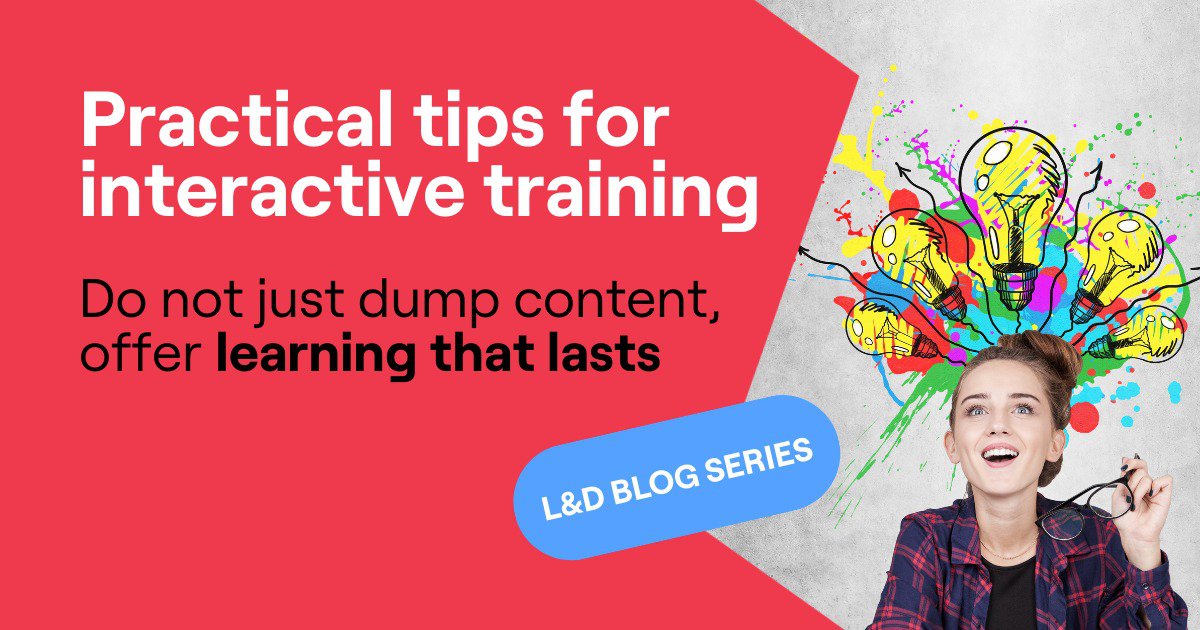
Most digital learning underdelivers: attention drifts, knowledge fades. This article shows how to create interactive e-learning content that invites action, reflection, and real understanding. Discover practical tips and examples to turn static material into learning that lasts.
Blog
How do I create interactive e-learning content? 2026 tips & examples
How to make e-learning interactive: 10 proven ways

How to make e-learning interactive: 10 proven ways

Want to know how to make e-learning interactive? Explore 10 practical ways to keep learners engaged and transform training into lasting knowledge.

Blog
How to make e-learning interactive: 10 proven ways
How to choose the right e-Learning application

How to choose the right e-Learning application

Choosing the right e learning application can be overwhelming. This guide breaks down the main types, key features, and top tools—so you can build a digital learning ecosystem that’s scalable, smart, and aligned with your organization’s real needs.

Blog
How to choose the right e-Learning application